2026.08.25.–09.19. 12:00–19:00 / Tue–Sat
Nagwon 405 (Unit 405, Nakwon Arcade 428 Samil-daero, Jongno District, Seoul)
Opening reception 2026.08.25. 16:00
2026.08.25.–09.19. 12:00–19:00 / 화–토
낙원 405 (서울시 종로구 삼일대로 428, 낙원상가 405호)
오프닝 리셉션 2026.08.25. 16:00
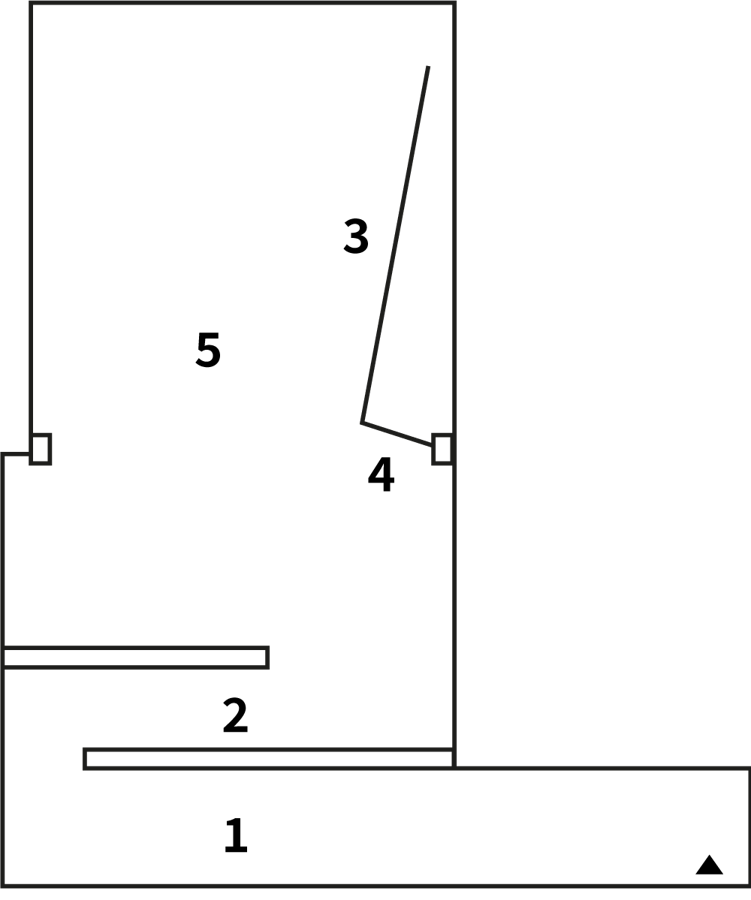
1. Sareena Sattapon, You and Me and Everyone We Have Met, 2024, video, mirror, dimensions variable, 5 min. Cooperation: ch+ch
사리나 사타폰, 〈너와 나 그리고 우리가 만난 모든 이들〉, 2024, 비디오, 거울, 가변 설치, 5분. 협력: ch+ch
2. Sareena Sattapon, I disappear, Therefore I am: Balen(ciaga) I belong, 2020. Installation view and performance documentation at EYP5 Exhibition, Bangkok Art and Culture Centre. Sareena Sattapon, Balen(ciaga) I belong, 2022. Installation view and performance documentation from CAF Award 2022 Exhibition at Hillside Forum, Tokyo
사리나 사타폰, 〈발렌(시아가) 내가 속한 곳〉, 2020-2026, 비닐봉투, 가변 설치. 퍼포먼스 기록사진. 사리나 사타폰, 〈나는 사라진다, 고로 존재한다: 발렌(시아가) 내가 속한 곳〉, 2020. 《EYP#5》방콕 예술문화센터(BACC) 설치 전경 및 퍼포먼스 기록 ; 〈발렌(시아가) 내가 속한 곳〉, 2022. 《CAF 어워드 2022》 도쿄 힐사이드 포럼 전시 설치 전경 및 퍼포먼스 기록
3. Natasha Tontey, Pest to Power / Hama Memberkati Reading Performance, 2019, 17 min 26 sec. Performance documentation at ArtJog MMXIX, Jogja National Museum
나타샤 톤테이, 〈해충에서 세력으로 / 하마 멤버르카티(해충의 축복) 리딩 퍼포먼스〉, 2019, 17분 26초. 《아트족 2019(ArtJog MMXIX)》 족자카르타 내셔널 뮤지엄 퍼포먼스 기록 영상
4. Natasha Tontey, Pest to Power, 2019, Single-channel video, color, sound, 13 min 50 sec. Supported by the Akademie Schloss Solitude Web Residency
나타샤 톤테이, 〈해충에서 세력으로〉, 2019, 단채널 비디오, 컬러, 사운드, 13분 50초. 아카데미 슐로스 솔리튜드(Akademie Schloss Solitude) 웹 레지던시 제작 지원
5. 열대의 서가 x 축적의 문법
Tropical Bookshelves x Syntax of Accumulation
Artists | Natasha Tontey, Sareena Sattapon
Curators | AS (Moon Hayn, Jo Hyunah)
Installation | Clayhand
Collaboration | ch+ch art
Supported by | Seoul Metropolitan Government and Seoul Foundation for Arts and Culture
작가 | 사리나 사타폰, 나타샤 톤테이
기획 | AS 문혜인, 조현아
설치 | 흙손
협력 | 츠앤츠 아트
후원 | 서울특별시, 서울문화재단
How the word "espionage" will resonate within you remains beyond measure. Yet one can surmise that it is often envisioned as an act of deciphering concealed meanings beneath a landscape—an endurance of physical transit and imminent collision. From where does this image you just replayed in your mind originate? Does it branch from the canon of Anglophone fiction? Or perhaps from Hollywood action films that appropriate a Southeast Asian city—one that had already articulated its "third position" as early as 1955—merely as a backdrop to dramatize the peril of a mission? The reproduction of representations that glorify masculine prowess through operations that eliminate internal and external targets, or circumvent traps, has thus coalesced into the prevailing image of "espionage."
In reality, however, true espionage unfolds over seemingly infinite stretches of time, lived out within the precarious instability that resides between intimacy and interpretation. Its success hinges upon a body and a speech that reflect upon hidden meanings and extract intelligence regarding dynamic power relations. What attends the act of relying on treacherous channels of translation and sensing nonverbal cues is not a lucid reward, but an affect born of self-doubt. The Third Language: Espionage, Shifting, at the Equator is designed as a site in Seoul—the heart of South Korea, an island nation undergoing transnational climatic shifts—where rules and propositions are forged to accommodate bodies and perceptions that form a new "South-east." In a third environment where the arduous reading and speaking surrounding one's choices, as well as the ties between body and labor, have gone into hiding, Natasha Tontey and Sareena Sattapon present works that draw forth the reality of espionage sustained amidst a humid, sweltering city.
Natasha Tontey, who has worked primarily in Jakarta and Yogyakarta, Indonesia, offers Pest to Power and Pest to Power / Hama Memberkati Reading Performance. These works render the language floating through historical speeches, pop culture, and the information-overloaded web through the figures of heterogenous species long dismissed as pests. The human gestures of reciting the discourse of cockroaches conspiring toward an ideal, and posing questions to them, sensuously archive the audiovisual materiality of communities pushed to underdevelopment and the urban periphery. Meanwhile, Sareena Sattapon, raised in Thailand and based in Tokyo, presents You and Me and Everyone We Have Met, which restricts the senses of a worker—unreflected by the glass windows of the metropolis—and the mobility of an individual thinking across English, Japanese, and Thai, so that they may only be viewed in a mirror image. Even as the artist flees from fixed imagery, the work compels those who arrive before the monitor to confront their own faces directly.
In the works of both artists, information leaked across multiple languages functions as a clue for carrying out personal operations—finding one's own path amidst conditions of infinite white noise. Each video is further connected in its multifaceted portrayal of subjects losing their way within themselves, revealing their inner thoughts through the language of the Other or a foreign land. Creative practices sustained across East and Southeast Asia thus emerge as a lifelong project: one far removed from the figures of espionage reproduced by established culture, measuring the possibilities of inter-world mobility and safeguarding individual identity against transnational capitalism. Whether through the lived experience of making a living in exchange for inhaling the chill of a new building erected upon a tropical climate, or by openly bringing in those ousted from that very building to proclaim the community's message, this is, ultimately, an act of espionage designed to draw others into a new state of knowing.
At the center of the space stands the Tropical Bookshelves. The deployed books and materials are layered upon their respective keywords while simultaneously escaping fixed definitions through the participation of the viewers. Their movements fluidize the records of informants writing, speaking, and staying up all night near the equator—barely drying their sweat—within a 'Syntax of Accumulation.' This will serve as a clue to weave together the methods of espionage realized by researchers and artists: from word to word, and from the South-West—located physically in the southwestern part of Seoul—to the South-East. May the syntax born of placing, handing over, and exchanging booklets transcend rigid rules aimed at extracting a single truth, contributing instead to a momentum that makes a 'third language' possible.
As the laborious movements that sift valuable information between power and records accumulate, may new knowledge fill each vacant space. In the time spent looking into the movement of books and words, we wish for what you set out to perceive, and the answer to your unspoken question, to reach you here.
‘첩보’라는 단어가 당신의 내면에 어떤 파동을 일으킬지는 알 수 없다. 그러나 짐작건대, 첩보는 풍광 밑에 숨은 뜻을 독해하며 물리적 이동과 긴박한 충돌을 감내하는 행위로 그려질 것이다. 당신이 방금 머릿속에서 재생한 이미지는 어디에서 왔는가, 영미권 소설의 가지로부터? 1955년 ‘제삼의 입장’을 피력했던 남동아시아의 역사적 사건에도 아랑곳하지 않고, 이를 임무의 험난함을 부각하는 배경으로 전용해 온 할리우드 액션 영화로부터? 악당을 제거하거나 함정을 우회하는 공작으로 남성적 완력을 미화하는 표상의 재생산은 이렇게 ‘첩보’의 이미지를 이루어 왔다.
하지만 실제의 첩보는 영원처럼 긴 시간을 요구하는, 친밀함(intimacy)과 이해(interpret) 사이의 불안정함(insecure)을 살아내는 과정에서 진행된다. 그 성공 여부는 은폐된 의미를 사고하고, 힘의 역학에 관한 정보를 건져내는 몸과 말에 달렸다. 신뢰하기 어려운 번역의 경로에 의지하고, 비언어적 요소를 감지하는 일에 따르는 것은 명쾌한 보상이 아니라 자기 의심에서 비롯된 정동이다. 《세 번째 언어: 첩보, 이동, 적도에서》는 초국가적인 기후 변화를 겪고 있는 남한, 그 섬의 중심이 되는 서울에서 남동을 이루는 육체와 지각을 받아들이기 위한 규칙과 명제를 만드는 장소로 설계되었다. 자신의 선택을 둘러싼 지난한 읽기와 말하기, 육체와 노동의 연결이 숨어든 제삼의 환경에서, 나타샤 톤테이(Natasha Tontey)와 사리나 사타폰(Sareena Sattapon)은 화자로서 습하고 무더운 도시 한가운데에서 지속되는 첩보의 실제를 끌어내는 작품을 제시한다.
인도네시아 자카르타와 족자카르타를 중심으로 작업해온 나타샤 톤테이의 〈해충에서 세력으로〉와 〈해충에서 세력으로 / 하마 멤버르카티(해충의 축복) 리딩 퍼포먼스〉는 역사적 연설과 대중문화, 정보 과잉의 웹 환경에 떠도는 언어를 해충으로 치부되어온 이종의 모습으로 전한다. 이상 실현을 위해 공모하는 바퀴벌레의 담화를 낭송하고 그에게 질문하는 인간의 몸짓은 저개발과 도시 주변부로 몰린 공동체의 시지각적 물성을 관능적으로 기록한다. 한편 태국에서 성장해 도쿄를 기반으로 활동하는 사리나 사타폰의 〈너와 나 그리고 우리가 만난 모든 이들〉은 대도시의 유리창이 반사하지 못하는 노동자로서의 감각과 영어‧일본어‧태국어로 사고하는 개인의 이동을 거울상으로만 볼 수 있도록 제한한다. 동시에 작가는 고정된 이미지로부터 도망하지만, 작품은 영상이 재생되는 모니터 앞에 당도한 이들이 그 자신의 얼굴을 직시할 수밖에 없도록 유도한다.
두 작가의 작품에서 다중 언어로 누설되는 정보는 무한한 화이트 노이즈의 조건에서 그 자신의 길을 찾는 개인적 작전 수행의 실마리로 작동한다. 각 영상은 주체가 자신 안에서 길을 잃고 타자 또는 타국의 언어로 속내를 드러내는 과정을 다면적으로 그린다는 점에서도 연결된다. 남‧동아시아에서 지속되는 창작과 작업은 이렇게 기성의 문화가 재생산한 첩보의 형상과는 거리가 먼, 세계 간 이동 가능성을 가늠하고 초국가적 자본주의로부터 개인의 정체성을 지키는 생애 전반의 기획이다. 열대 기후 위에 세워진 새 건물의 냉기를 들이키는 대가로 먹고사는 생활의 경험이든, 그 건물에서 퇴출당한 존재를 공공연하게 끌어들여 공동체의 전언을 알리든, 이는 궁극적으로 새로운 앎에 타인을 끌어들이는 공작 행위다.
공간 중앙에는 ‘열대의 서가’가 놓였다. 포진된 도서와 자료는 각각의 키워드 위에 포개어지는 동시에, 관람자의 참여로 고정된 정의를 벗어나게 된다. 그들의 이동은 ‘축적의 문법’ 안에서 적도 근처에서 겨우 땀을 말리며 쓰고 말하고 밤새우는 정보원들의 기록을 유동하게 한다. 이는 단어에서 단어로, 실제로 서울의 남서쪽에 위치한 ‘남동’으로부터 ‘동남’으로, 연구자와 예술가들이 실현한 첩보의 방법을 묶어갈 단서가 되어줄 것이다. 책자를 놓고, 건네고, 교환하는 데에서 비롯한 문법이 하나의 ‘참’을 뽑아내려는 고착된 규칙을 넘어, ‘세 번째 언어’를 가능하게 만드는 계기에 기여하기를 바란다.
권력과 기록 사이에서 가치 있는 정보를 가려내는 수고스러운 움직임이 쌓일수록 한 칸의 빈자리에 세 번째 언어가 채워지기를. 책과 말의 이동을 들여다보는 시간 속에서 당신이 보고자 하는 것, 마음에 품은 질문의 답이 당도하기를.
In The Syntax of Accumulation, we sought to collect clues for portraying Southeast Asia through language close to everyday life, bypassing grand narratives and academic discourse. From the words left behind by Natasha and Sareena to those of you, the words gathered without order drift through the exhibition space, each contained within a cube, leaving behind a scattered trail. As words move through processes of generation and deletion, combination and disassembly, the books that make up The Tropical Bookshelves continually seek their place among them. A gaze extending from Seoul will reach the equator, tracing the landscape found there.
축적의 문법에는 거대 서사나 학술적 담론을 우회하여 일상에 가까운 언어로 남동아시아를 그리는 단서를 수집하고자 했다. 나타샤와 사리나가 남긴 단어로부터 당신의 것에 이르기까지, 두서없이 모여든 단어들은 각각의 큐브에 담긴 채 전시장을 유영하며 어지러운 자취를 남긴다. 생성과 삭제, 그리고 조합과 해체의 과정을 거치며 이동하는 단어들 사이로 열대의 서가를 이루는 책들이 끊임없이 자리를 찾는다. 서울로부터 나아간 시선은 적도에 가 닿으며 그곳의 풍광을 그려낼 것이다.
Natasha Tontey (b. 1989) is a Minahasan artist and researcher based in Jakarta and Yogyakarta, Indonesia. Her practice encompasses film, video, performance, and installation, often exploring alternative futures from the perspectives of marginalised entities. Her recent solo shows include The Phantom Combatants and the Metabolism of Disobedient Organs (2026, Ateneo Veneto, Venice), Primate Visions: Macaque Macabre (2024, Museum MACAN, Jakarta), and Garden Amidst the Flame (2022, Auto Italia, London). She received the HASH Award from ZKM | Centre for Art and Media Karlsruhe and Akademie Schloss Solitude in 2020, and the Han Nefkens Foundation Video Production Grant in 2024.
나타샤 톤테이(b. 1989)는 족자카르타와 자카르타를 기반으로 활동하는 미나하사(Minahasa) 출신 시각예술가이자 연구자이다. 그는 영화, 비디오, 퍼포먼스, 설치 등으로 ‘꾸며낸 공포(manufactured fear)’를 둘러싼 역사 및 신화에 관한 허구적 서사를 탐구한다. 최근 개인전 《환영의 전사들과 반항하는 장기들의 신진대사》(2026, 아테네오 베네토, 베니스), 《영장류의 시선: 마카크의 기괴한 무곡》(2024, 뮤지엄 MACAN, 자카르타), 《화염 속에서 피어난 정원》(2022, 오토 이탈리아, 런던)을 열었다. 2020년 카를스루에 예술 및 미디어 센터(ZKM)와 아카데미 슐로스 솔리튜드가 운영하는 HASH 어워드를, 2024년 한네프켄스 재단 루프 비디오 아트 프로덕션 그랜트를 수상했다.
Tentang Menikahi Peri dan Berbicara dengan Kecoa
요정과 결혼하고 바퀴벌레와 말하는 이유
The Reason to Marry a Fairy and Talk to Cockroaches
* For this exhibition, Donna J. Haraway's Staying with the Trouble: Making Kin in the Chthulucene is provided in Korean translation.
* 이번 전시에서 도나 헤러웨이의 『트러블과 함께하기: 자식이 아니라 친척을 만들자』는 국역본으로 제공됩니다.
Persilangan dalam Budaya Populer
Crossbreeding in Popular Culture
대중문화 속 이종교배
Clements, Ron, and John Musker, dirs. The Little Mermaid. Animated feature. Walt Disney Pictures, 1989.
클레멘츠, 론, 존 머스커 감독. 〈인어공주〉. 애니메이션. 월트 디즈니 픽처스, 1989.
Zemeckis, Robert, dir. Who Framed Roger Rabbit. Feature film. Touchstone Pictures & Amblin Entertainment, 1988.
저메키스, 로버트 감독. 〈누가 로저 래빗을 모함했나〉. 터치스톤 픽처스 & 앰블린 엔터테인먼트, 1988.
Cronenberg, David, dir. The Fly. SLM Production Group & Brooksfilms, 1986.
크로넨버그, 데이비드 감독. 〈플라이〉. SLM 프로덕션 그룹 & 브룩스필름, 1986.
VICE Indonesia. "10 Pertanyaan Yang Selalu Ingin Kamu Tanyakan Kepada: Pria Yang Mengawini Peri." YouTube video, 4:16. January 20, 2019. https://www.youtube.com/watch?v=JYZNR2vhHMg.
바이스 인도네시아. ‘요정과 결혼한 남성에게 묻는 10가지 질문.’ 유튜브 비디오, 4분 16초. 2019년 1월 20일 ; 해당 영상의 1분 2초에는 요정과 결혼했다고 주장하는 인도네시아 남성(Mbah Kodok)의 인터뷰로, 자연의 조화와 환경 보존을 위해 요정과 결합했음을 밝히는 내용이다: “하지만 이 경우 사랑이 개입되지는 않았습니다. 저는 우리 지구의 조화를 유지하기 위해 그녀와 결혼했습니다. 가능한 한 많은 나무를 심으라는 말을 들었습니다.”
The artist imagines interspecies unions and the possibilities that lie beyond them. As reiterated through the discourse of the cockroaches and performers in her practice, this is not a surreal fantasy, but a proposition fully achievable within current technological and scientific horizons. Whether as a thought experiment or something transcending that boundary, Natasha Tontey addresses the hybridity emerging at the underbelly of the artificial and the natural, drawing upon Donna J. Haraway's texts and Helen Hester's Xenofeminism as her logical framework.
In this way, as a visual culture researcher, the artist attends to the concept of interspecies communities embedded in narratives reproduced across popular media from the 1990s to the present. She regards transformed bodies or unions of animals, insects, and humans not as monsters, but as companions and "forces" capable of pooling wisdom together. In her artistic universe, humans reliant solely on "reason" are beings that fall and meet defeat precisely because of the frameworks of thought they themselves constructed.
The final reference provided by Natasha Tontey is a VICE Indonesia interview with a man who married a fairy. This selection is not only an act of unearthing meaning through channels that conduct in-depth coverage of topics sidelined by mainstream media—such as fringe phenomena, human rights, and environmental issues—but also an authorial stance that sides with folkloric and supernatural narratives. For her, reading may well be a conduit to harness translated modes arriving from the outside, deploying them to articulate the events taking place within her own domain and the methods of living together.
작가는 종간 결합과 그 후의 가능성을 상상한다. 그의 작품에 등장하는 바퀴벌레와 퍼포머의 언사에서 되풀이되듯, 이는 초현실적 공상이 아니라 현재의 과학기술이 수행할 수 있는 가능성이 충분한 논지다. 사고실험이든 그 범주를 초월하든 간에, 나타샤 톤테이는 도나 해러웨이의 텍스트와 헤렌 헤스터의 제노페미니즘(Xenofeminism)을 논리적 배경으로 삼아 인공과 자연의 저변에서 발생하는 혼종성을 다룬다.
이처럼 시각문화 연구자로서 작가는 1990년대부터 현재까지 대중 미디어에서 재생산되어 온 이야기가 내포하고 있는 이종공동체의 개념에 주목한다. 그는 변형된 신체나 동물, 곤충, 인간의 결합체를 괴물이 아니라 지혜를 모을 수 있는 동료이자 ‘세력’으로 여긴다. 그의 작품 세계에서 ‘이성’에 의존하는 인간은 자신이 건설한 사고방식 때문에 패배하고 추락하는 존재다.
나타샤 톤테이가 제공한 마지막 자료는 ‘바이스 인도네시아(VICE Indonesia)’에서 방영한 ‘요정과 결혼한 남성’ 인터뷰 영상이다. 비주류적 사건과 인권, 환경 문제처럼 기성 매체에서 외면하고 있는 논제를 심층 취재해 방송하는 경로에서 의미를 캐내는 행동일 뿐 아니라 민속적이고 초자연적인 서사를 편드는 작가주의이기도 하다. 그에게 읽기란 외부에서 온 번역된 양태를 자신의 영역에서 일어나는 사건들, 공생의 방법을 설명하는 방법으로 사용하기 위한 통로일지도 모른다.
Sareena Sattapon (b. 1992) is a Thai visual artist based in Tokyo and Bangkok who works across performance, installation, photography, and mixed media. Her practice examines human connection, dis-location, and the dynamics of urban spaces as everyday conditions. Her major solo exhibitions include When you find you in the middle of emptiness (2025, Root K Contemporary, Tokyo), In the realm beyond spectrum (2024, Contemporary Art Foundation, Tokyo), and Until we meet again (2021, Shinokubo UGO, Tokyo). She has participated in group exhibitions across Thailand, Taiwan, Indonesia, Germany, Poland, Ukraine, and Sweden. She is the recipient of the Nomura Prize 2024 awarded by the Nomura Foundation and Tokyo University of the Arts in 2025, as well as the Runner-Up Prize and Audience Award at the Tokyo Midtown Award in 2024.
사리나 사타폰(b. 1992)은 도쿄와 방콕을 중심으로 활동하는 태국 출신의 시각예술가로, 퍼포먼스, 설치, 사진, 복합매체로 인간의 연결과 탈장소성, 일상적 조건이 된 도시 공간의 역학을 조명한다. 주요 개인전으로는 《네 자신을 공허 한가운데에서 발견할 때》(2025, Root K Contemporary, 도쿄), 《스펙트럼 너머의 영역에서》(2024, 현대예술진흥재단, 도쿄), 《우리가 다시 만날 때까지》(2021, 신오쿠보 UGO, 도쿄)가 있다. 태국, 대만, 인도네시아, 독일, 폴란드, 우크라이나, 스웨덴 등에서 열린 다수의 기획전에 참여했다. 2025년 노무라 재단 및 도쿄예술대학 ‘노무라상 2024’을, 2024년 도쿄 미드타운 어워드에서 도쿄 미드타운 어워드 준우승 및 관객상을 수상했다.
สัญลักษณ์เข้าหาเรา แต่ความทรงจำคือสิ่งที่เราต้องเข้าไปหาเท่านั้นจึงจะได้มา
Signs approach us, yet memories are attainable only when we approach them
기호는 다가오지만, 기억은 다가가야만 얻을 수 있는 것
* For this exhibition, Naomi Klein's No Logo: Taking Aim at the Brand Bullies and Olivia Laing's The Lonely City: Adventures in the Art of Being Alone are provided in Korean translation.
* 이번 전시에서 나오미 클라인의 『노 로고』및 올리비아 랭의 『외로운 도시: 외로움과 예술, 그 매혹적인 빛과 그림자』는 국역본으로 제공됩니다.
For the artist, accumulation is a word intimately intertwined with memory. She has noted that individuals are formed through the memories they accumulate over a lifetime. One experience leads to another, weaving layers of understanding, emotion, and perception. Through continuous accumulation, each person becomes a uniquely distinct entity.
At the same time, the artist views human beings as not entirely separate from one another. When people share experiences, spaces, or memories, a common layer begins to form between them; this ‘shared accumulation’ creates connections that transcend individual differences. Within the context of East and Southeast Asia, the artist is drawn to how collective memory is forged through coexistence, migration, cultural exchange, and everyday encounters. Though individual histories may diverge, shared experiences allow us to recognize ourselves as part of a larger community. In this sense, Sareena recommends the aforementioned books under the theme: “We are independent individuals, yet simultaneously a tightly interconnected unit.”
Naomi Klein’s No Logo: Taking Aim at the Brand Bullies, Olivia Laing’s The Lonely City: Adventures in the Art of Being Alone, and Niwklom’s Tokio Mai Mi Kha [Tokyo Has No Legs] resonate with the themes of ‘media and inter-city mobility’ revealed in her practice. Set against the media landscape of metropolises engineered to sustain transnational capitalism, the travelogue of an individual constantly moving while acquiring foreign art exposes both the external pressures and the inner world of an artist thrust into the field of white noise. In South-east Asia—where a mobile-centric social media ecosystem exerts a powerful influence on community—the artist’s reading list offers a clue to further examine how handheld screens translate the inner self and intervene in the formation of collective memory. The fact that a ‘mobile-first’ environment linked to living conditions can turn into a landscape of frequent mobile scams, or reflect the reality of South-east Asian youth laboring beyond delivery app interfaces, compels us to attend to realities that lie outside simple marketing metrics or market growth figures.
작가에게 축적(accumulation)이란 기억과 긴밀하게 연결되어 있는 단어다. 그는, 사람은 살아가면서 쌓는 기억을 통해 형성된다고 언급했다. 하나의 경험은 또 다른 경험으로 이어지고 이해와 감정, 그리고 인식의 층위(layers)들을 만들어낸다. 지속적인 축적을 거치며 모든 개인은 저마다 고유한 존재가 된다.
동시에, 작가는 인간이 서로 완전히 분리된 존재가 아니라고 본다. 사람들이 경험과 공간, 혹은 기억을 공유할 때, 그들 사이에는 공통의 층위가 형성되기 시작하고, 이렇게 ‘공유된 축적’은 개인의 차이를 뛰어넘는 연결을 만든다. 남동아시아라는 맥락 안에서, 작가는 공존과 이주, 문화적 교류, 그리고 일상적인 조우를 통해 어떻게 집단적 기억이 형성되는지에 관심을 보인다. 비록 개인이 지닌 역사는 각기 다를지라도, 공유된 경험을 통해 우리는 스스로가 더 큰 공동체의 일원임을 인식하게 된다. 같은 의미에서, 사리나 사타폰은 “우리는 독립된 개인인 동시에, 서로 긴밀히 연결된 하나의 단일체(interconnected unit)이기도 하다”는 주제로 위의 책을 추천한다.
나오미 클라인의 『No Logo』, 올리비아 랭의 『The Lonely City』, 니우클롬의 『Tokyo Has No Legs』는 사리나 사타폰의 작품에 드러나는 ‘미디어와 도시간 이동’이란 주제와 맞닿아 있다. 초국가적 자본주의가 지속되도록 설계된 대도시의 미디어 환경을 배경으로, 계속 이동하며 타국 예술을 습득하는 개인의 여행기는 화이트노이즈의 자장에 자신의 몸과 정신을 밀어 넣는 예술인의 내면과 외부적 압박을 현시한다. 작가의 도서 목록은 모바일 중심의 소셜 미디어 환경이 공동체에 강한 영향력을 미치는 남·동아시아에서, 손 안의 스크린이 어떻게 개인의 내면을 번역하고 집단의 기억 형성에 개입하는지를 추가로 고려해볼 단초가 된다. 생활 조건과 결부된 ‘모바일 퍼스트’ 환경이 잦은 모바일 스캠의 지대로 변화하거나 배달 앱 바깥에서 노동하는 남동아시아 청년의 거울상이 된다는 사실은 단순한 마케팅 지표나 시장의 성장 수치 바깥의 현실에 주목하게 만든다.
Aug 25 (Tue) 17:00 Syntax of Accumulation — Words: Natasha Tontey & Sareena Sattapon
Based on a reference list curated by participating artists Natasha Tontey and Sareena Sattapon, this session shares with the audience the information and artistic insights that have influenced their practice. The origins of the books, videos, and images selected by the two artists are not confined to the physical territories of their home countries, Indonesia and Thailand. Rather, the list serves as evidence of how they have engaged with essays and discourses produced abroad, translating those mental images into their chosen media. Participants will read through the materials and converse with the artists, leaving behind words of their own choosing. In doing so, they will encounter moments when the artists' works acquire meanings that surpass institutional lack, omission, absence, and censorship.
8월 25일 (화) 17:00 축적의 문법―단어들: 나타샤 톤테이 & 사리나 사타폰
참여 작가 나타샤 톤테이와 사리나 사타폰이 추천한 자료 목록을 기반으로 작업에 영향을 준 정보와 작품 정보를 관객과 공유한다. 두 작가가 선택한 도서, 영상, 이미지의 출처는 이들의 모국인 인도네시아와 태국의 물리적 지대에만 한정되지 않는다. 그 목록은 이들이 타국에서 생산된 에세이와 담론을 수용하고 그 심상을 자신이 선택한 매체로 이동시켰음을 확인하는 증거다. 참여자들은 작가와 함께 자료를 읽고 대화하며, 자신이 결정한 단어를 남긴다. 그 과정에서 두 작가의 작품이 담지하는 제도의 결여, 누락, 부재, 검열을 초과하는 의미 획득의 순간과 조우한다.
Sept 4 (Fri) 13:00–15:00 Tropical Bookshelves and Nongkrong
“Borrow your sentence.”
This time, Tropical Bookshelves invites you to join us not only as a visitor and reader, but also as an agent. Originally formed from the literature AS has encountered, Tropical Bookshelves seeks to expand its boundaries through books borrowed from the bookshelves of our peers.
In Tropical Bookshelves and Nongkrong, we will gather the keywords and sentences accumulated on the bookshelf at the center of the exhibition as "materials," spend time together with fellow participants, and write our reflections afterward in our own small books. Nongkrong, an Indonesian word meaning to casually gather and hang out with friends without any particular purpose, invites us to build connections through everyday conversation and explore new ways of communicating. Join us for a round of nongkrong, and borrow a sentence to make your own small, portable book!
9월 4일 (금) 13:00–15:00 열대의 서가와 논크롱
“당신의 문장을 대여하세요.”
이번 열대의 서가에는 당신을 관람객이자 독자로, 한 명의 요원으로 초대합니다. AS가 만난 문헌으로 만들어진 ‘열대의 서가’는 동료들의 책장에서 빌린 책으로 그 경계를 넓히고자 했습니다. 이번 '열대의 서가와 논크롱' 프로그램에서는 전시 중앙의 서가에 축적된 키워드와 문장을 '재료'로 모아, 참가자들과 함께 시간을 보내고 각자의 작은 책에 그 후의 소회를 적어갑니다. 인도네시아어로 친구들끼리 특별한 목적 없이 모여서 어울려 놀기를 뜻하는 '논크롱(Nongkrong)'은 일상적 대화 속에 유대감을 쌓고 새로운 소통의 방법을 모색하게 합니다. 우리, 함께 논크롱하며 만들게 될 작은 휴대용 책에, 문장을 대여하세요!
Sept 11 (Fri) 13:00–19:00 Remaining Sentences — A Third Language
AS presents on-site and Instagram Live readings of key questions and influential quotes that shaped the curatorial vision for The Third Language: Espionage, Shifting, at the Equator. As a reading process corresponding to Natasha Tontey's performance documentation Pest to Power / Hama Memberkati Reading Performance, co-curator Jo Hyunah will discuss how individuals affect shifts through multilingual articulation and how thoughts travel across boundaries. Akin to a filibuster—an intentional obstruction of parliamentary procedure—this act aims to interrupt the "quiet" viewing experience and distract the reader's attention. Beginning without prior notice, this program operates as an act of sabotage, disrupting the audience's own espionage.
9월 11일 (금) 13:00–19:00 남은 문장들―세 번째 언어
AS가 《세 번째 언어: 첩보, 이동, 적도에서》를 기획하며 느낀 문제의식과 기획에 영향을 준 문구를 현장에서, 그리고 인스타그램 라이브로 낭독한다. 전시의 공동 기획자인 조현아는 나타샤 톤테이의 퍼포먼스 기록 〈해충에서 세력으로: 하마 멤버르카티(해충의 축복) 리딩 퍼포먼스〉와 상응하는 읽기 과정으로 개인의 정동이 다국어 발화 과정 속에서 변화한 과정, 생각의 이동이 이루어진 경로를 얘기한다. 의사 진행 절차를 의도적으로 방해하는 ‘필리버스터(Filibuster)’에 가까운 행위는 ‘조용한’ 전시 관람을 방해하고 읽는 사람의 주의를 어지럽힐 것이다. 별도의 공지 없이 시작될 이 프로그램은 관람자의 첩보 행위를 방해하는 공작이기도 하다.
Sept 15 (Tue) 19:00–20:30 Syntax of Accumulation — Screening Night
AS has curated this screening program to juxtapose archival footage capturing Southeast Asia's past landscapes and visual cultures with video clips by participating artists Natasha Tontey and Sareena Sattapon. Going beyond a conventional reading list, the program incorporates moving images that broaden the conceptual horizons of the artists' work. The archival nature of the moving image and its role as a medium for knowledge production revive a shared collective memory surrounding the socio-cultural and visual fabric of Southeast Asia.
Decoding, comprehending, and critically engaging with the audio-visual signifiers emerging from works rooted in Thailand and Indonesia can only be achieved through time spent relating to diverse narratives. This screening contrasts documentation of a performance by Sareena Sattapon—featuring an individual moving outside the commercial block of "One Bangkok" in the heart of Bangkok—with advertisements broadcast within the complex. While the commercials are built on the premise of Bangkok residents discovering new local destinations, they inadvertently expose a commercialistic fantasy that isolates the city's hyper-capitalist spaces from everyday life, positioning the space itself as a tourist attraction. In contrast, Sattapon's performance records unhoused individuals carrying their essential belongings in massive tarpaulin bags as they navigate the city and pause briefly to rest on the pavement.
Meanwhile, archival clips of Sukarno's speeches—aimed at fostering decolonization and Third World solidarity—evoke a reimagined subject of alliance. The films recommended by the artist—Robert Zemeckis's Who Framed Roger Rabbit (1988), Ron Clements and John Musker's The Little Mermaid (1989), and David Cronenberg's The Fly (1986)—extend beyond the respect for non-human ecologies and alternate dimensional viewpoints to imagine interspecies impasses and entanglements.
Notably, an interview with an Indonesian man (Mbah Kodok) concerning the union of humans and spirits recounts his marriage to a fairy for the sake of ecological harmony and environmental preservation, testifying that he was told to "plant as many trees as possible." Guided by Natasha Tontey's syncretic imagination, we then move toward the connection between humans and natural entities, leading us to the Thai classical epic Phra Aphai Mani. Payut Ngaokrachang's The Adventure of Sudsakorn, an early Thai animation depicting a narrative fragment from Sunthorn Phu's epic poem, features the union between the human hero Phra Aphai Mani and the mermaid Nang Ngueak. Connecting to the expansive cultural zones of Southeast Asia bridging maritime and continental realms, this tale has transcended class and species barriers through adaptations in books, performances, animation, and film, resonating down to the present day.
9월 15일 (화) 19:00–20:30 축적의 문법―스크리닝 나잇
AS는 남동아시아의 지난 풍광과 시각문화를 담은 영상과 참여 작가 나타샤 톤테이와 사리나 사타폰의 작품 클립을 교차해 보고자 스크리닝 프로그램을 마련했습니다. 이는 작가들의 도서 목록을 넘어 작품의 지평을 넓히는 영상을 포함합니다. 무빙이미지의 기록적 특성과 지식생산을 가능케 하는 미디어로서의 역할은 남동아시아의 사회·문화·시각적 요소에 관한 공동의 기억을 되살립니다.
태국과 인도네시아에서 출발한 각 영상에 등장하는 시지각적 기호를 번역하고 이해하며, 비판적으로 수용하는 일은 다채로운 서사와 관계 맺는 시간 속에서 비로소 구축될 수 있습니다. 이번 스크리닝은 방콕 중심부에 위치한 상업 블록인 ‘원 방콕(One Bangkok)’ 광고와 그 공간 외부에서 이동하는 인물의 모습을 담은 사리나 사타폰의 퍼포먼스 기록을 대조합니다. 해당 광고는 방콕 시민들이 방콕 안에서 새로운 장소를 찾아 떠나는 설정을 토대로 제작되었지만, 오히려 도시의 초자본적 공간과 일상적 삶을 분리해 그 자신이 관광지가 되고자 하는 상업주의적 판타지를 노출합니다. 반면 사리나 사타폰의 퍼포먼스는 일정한 거주지 없이 거대한 타포린 백에 삶에 필요한 짐을 넣고 이동하고, 잠시 바닥에서 휴식을 취하는 사람들의 동작을 보여줍니다.
한편 식민 해방과 제3세계의 연결을 도모하고자 한 수카르노의 연설과 나타샤 톤테이의 영상 클립은 변화한 연대의 대상을 떠올리게 합니다. 작가가 추천한 로버트 저메키스 감독의 《누가 로저 래빗을 모함했나》(1988), 론 클레멘츠와 존 머스커 감독의 《인어공주》(1989), 데이비드 크로넨버그 감독의 《플라이》(1986)는 비인간 생태나 다른 차원의 관점에 대한 존중을 넘어 타종간 교착상태를 상상하게 합니다.
특히 인간과 정령의 결합을 다룬 인도네시아 남성(Mbah Kodok)의 인터뷰는 자연의 조화와 환경 보존을 위해 자신이 요정과 결혼했으며 “가능한 많은 나무를 심으라는 말을 들었다”는 증언을 들려줍니다. 우리는 나타샤 톤테이가 건넨 융합적 상상력을 거쳐 인간과 자연물의 연결과 그로부터 탄생한 영웅의 이야기인 태국 고전 『프라아파이마니』로 향하게 됩니다. 파윳 응오크라창의 〈쑷사콘의 모험(The Adventure of Sudsakorn)〉은 순턴푸의 서사시 『프라아파이마니』의 서사 일부를 묘사한 초기 태국 애니메이션으로, 인간 프라아파이마니와 인어 낭응악의 혼인 장면을 담고 있습니다. 해양과 대륙을 넘나드는 남동아시아의 문화적 지대와도 연결되는 해당 작품은 책, 공연, 애니메이션, 영화로 제작되며 신분과 종을 초월하는 이야기로 지금까지 전달되고 있습니다.
Sept 19 (Sat) 14:00–16:00 Talking about Parallax and Jet Lag
Centering on the book published in June this year by AS, this session shares the journey of their three-year research process. The pursuit of researching 'Southeast Asian art' from Seoul was not easily attained, even with the benefits of a transnational digital environment and advanced modes of transit. Yet, the drive to understand Asian art—despite differing ways of perceiving statehood and distinct linguistic structures—stemmed from a desire to collectively reflect on our respective modernities bound by shared memories of colonization and the Cold War, and to stand together in the realm of 'contemporary art.'
In this talk, we share the process of navigating toward maritime and mainland Southeast Asia through the concept of the Greater East Asia Co-Prosperity Sphere. Under the conditions of 'Seoul,' we aim to pass along what we have learned from Southeast Asian artists and researchers, through whom we came to believe that each other's vulnerabilities and ideals could finally be understood. We hope that this experience of reading Southeast Asian art—using mistranslation as a shield—serves as a fitting conclusion to the exhibition.
9월 19일 (토) 14:00–16:00 『시차와 시차: 남동아시아 오역하기』 북토크
AS의 조현아와 문혜인이 올해 6월 발간한 도서를 중심으로, 약 3년간의 연구 과정을 공유하는 자리를 마련한다. 서울로부터 ‘남동아시아 미술’을 연구하고자 하는 목표는 초국가적 디지털 환경과 첨단 이동수단의 수혜 앞에서도 쉽게 달성되지 못했다. 그럼에도 국가를 인식하는 방법도, 언어 구조도 다른 아시아 미술을 이해해보려 한 이유는 식민과 냉전이라는 공통 감각을 지닌 각자의 근대를 함께 회고하고 ‘동시대 미술’의 지대에 함께 서고자 하는 의지 때문이었다. 이번 북토크에서는 대동아공영권의 개념을 경유해 도서부·대륙부 남동아시아로 향한 과정을 나눈다. 각자의 연약함과 이상을 비로소 이해할 수 있다고 믿는 남동아시아 작가와 연구자에게 배운 바를 ‘서울’의 조건에서 나누고자 한다. 오역을 방패 삼아 남동아시아 미술을 읽은 경험이 《세 번째 언어: 첩보, 이동, 적도에서》의 마침표 역할을 할 수 있기를 바란다.
This time, Tropical Bookshelves invites you to become not only a visitor and a reader, but also an agent. Originally formed from the literature AS has encountered, Tropical Bookshelves seeks to expand its boundaries and resonate with the bookshelves of our peers. We welcome books that trace the environments in which Southeast Asian art has emerged, as well as publications that explore artistic practices and critical perspectives produced across Mainland and Maritime Southeast Asia, as clues to espionage and as a Third Language. Through the reading lists of participating artists Natasha Tontey and Sareena Sattapon, we hope to move beyond simply understanding the artists themselves—to create a point of passage across humidity and heat, and to discover your own routes of reading through unfamiliar landscapes.
이번 열대의 서가에는 당신을 관람객이자 독자로, 한 명의 요원으로 초대한다. AS가 만난 문헌으로 만들어진 ‘열대의 서가’는 그 경계를 넓혀 동료들의 책장과 공명하고자 했다. 우리는 남동아시아 미술을 탄생시킨 환경을 그려낸 책, 대륙부와 도서부 남동아시아에서 생산된 예술과 비평적 시점을 탐색할 수 있는 출판물 모두를 첩보의 실마리이자 제3의 언어로서 환영하고자 한다. 또한 참여 작가인 나타샤 톤테이와 사리나 사타폰의 읽기 목록을 통해 작가에 대한 이해를 넘어, 습기와 열기 사이를 횡단하는 거점을 만들기를, 낯선 풍경들 사이에서 자신만의 읽기 노선을 발견하기를 기대한다.
Loading...